
5-ME Categories
Pick a topic and start learning—just a few minutes at a time.
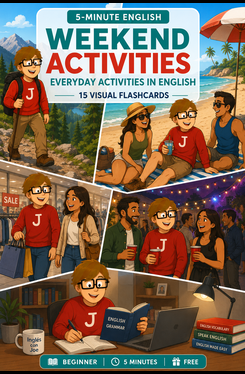
Weekend Activities
Weekend: Activities in English. Practice common weekend activities with these 15 visual flashcards. Learn useful vocabulary for talking about how you spend your free time and what you like to do on the weekend.
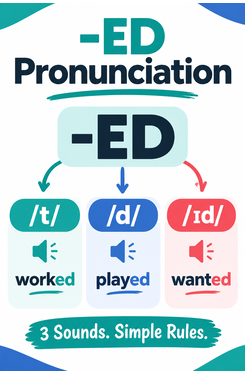
Pronunciation -ED endings
This lesson helps you improve your Business English by practicing important workplace vocabulary, choosing the correct words in context, and identifying common word-choice and spelling mistakes.

Business English: Vocabulary & Common Mistakes
This lesson helps you improve your Business English by practicing important workplace vocabulary, choosing the correct words in context, and identifying common word-choice and spelling mistakes.
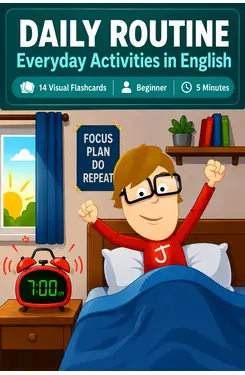
Daily Routine: Everyday Activities in English
★★★★★ Flashcards Daily Routine: Everyday Activities in English Practice everyday activities in English with these 14 visual flashcards. 👋 Look at the picture on the front of each card and think about the English expression for the activity. Click or tap the card to flip it and check your answer....
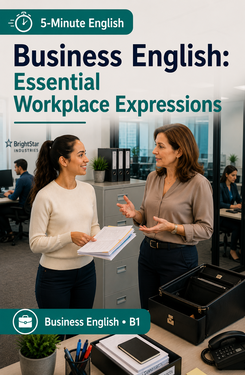
Business English: Essential Workplace Expressions
Learn essential Business English vocabulary for workplace communication, business documents, meetings, contracts, and common professional expressions.
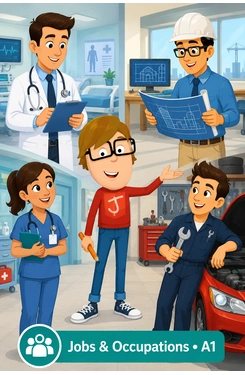
12 Common Occupations in English | Beginner Vocabulary
★★★★★ Flashcards Jobs in English: 12 Common Occupations Let’s practice jobs in English! 👋 These 12 flashcards will help you learn 12 common job names in a simple, visual way. Look at the picture on the front of each card and try to identify the job. Click or tap the card...
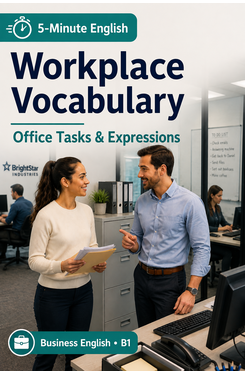
Business English: Workplace Vocabulary & Daily Tasks
Improve your B1 Business English with this practical lesson on office vocabulary and workplace expressions. Learn useful English for everyday office tasks, including passwords, databases, files, contracts, and common expressions such as “chuck out,” “pop in,” “knock off,” and “get back to.” Practice your English with vocabulary exercises, a workplace conversation, and a comprehension quiz.
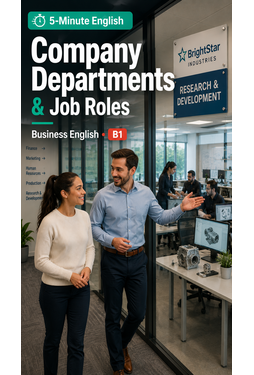
Business English: Company Departments and Job Roles
Learn essential Business English vocabulary for the workplace with this B1 lesson about company departments and job roles. Practice words related to Finance, Marketing, Production, Human Resources, and Legal departments while improving your ability to communicate confidently in a professional environment.
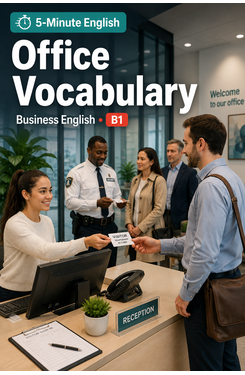
Business English: Office Vocabulary and Workplace Responsibilities
Learn essential Business English for the workplace with this lesson on office vocabulary, office assistant responsibilities, employment terms, workplace communication, and professional behavior. Practice realistic business English through vocabulary exercises and practical office scenarios to build confidence in today's workplace.
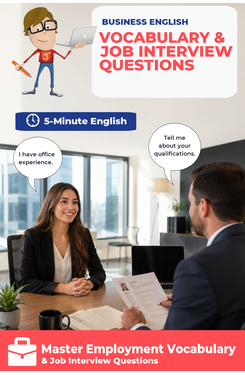
Business English: Employment Vocabulary & Job Interview Questions
Improve your Business English with essential employment vocabulary, office terminology, and common job interview questions. Learn key workplace expressions, describe your skills and qualifications confidently, and prepare for interviews with practical examples and real-world Business English vocabulary.
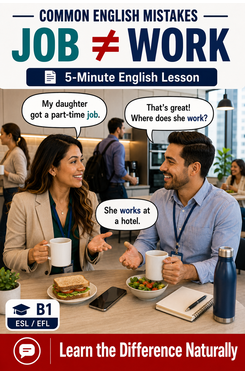
Job vs. Work in English: What’s the Difference?
In this lesson, you learned the difference between job and work in English and how to use each word correctly in everyday conversations. You discovered that job refers to a specific occupation or position, while work describes the activities you do, your workplace, or can even be used as a verb. You also practiced common expressions such as get a job, look for a job, work as, work for, work in, and go to work. Finally, you learned how to avoid common English mistakes like saying a work or My job is a teacher, helping you speak and write more naturally and confidently in English.
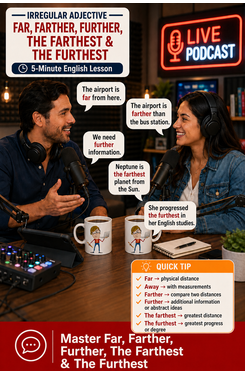
Irregular Adjectives: Far Part 3
This is Part 3 of a three-part series on three common irregular adjectives in English: good, bad, and far.
In this lesson, we focus on far, exploring its different forms and how it is used naturally in everyday English. We will look at how far changes when we compare things (far → farther → the farthest), and how native speakers actually use it in real-life situations such as describing experiences, making choices, and giving opinions. You’ll also see common expressions and examples that will help you sound more natural and confident when speaking.
🎯 Level: Beginner ⏱ Time: 5 - 10 minutes 📘 Categories: Adjectives, Grammar, Vocabulary
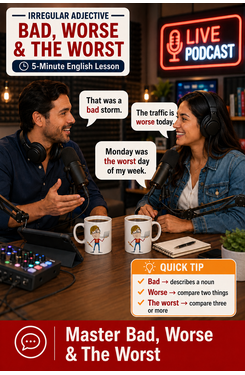
Irregular Adjectives: Bad Part 2
This is Part 2 of a three-part series on three common irregular adjectives in English: good, bad, and far.
In this lesson, we focus on bad, exploring its different forms and how it is used naturally in everyday English. We will look at how bad changes when we compare things (bad → worse → the worst), and how native speakers actually use it in real-life situations such as describing experiences, making choices, and giving opinions. You’ll also see common expressions and examples that will help you sound more natural and confident when speaking. 🎯 Level: Beginner ⏱ Time: 5 - 10 minutes 📘 Categories: Adjectives, Grammar, Vocabulary
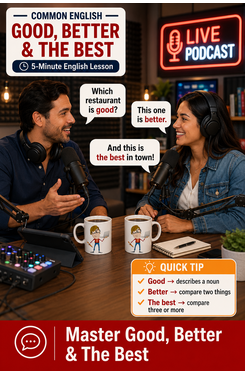
Irregular Adjectives: Good Part 1
This is Part 1 of a three-part series on three common irregular adjectives in English: good, bad, and far.
In this lesson, we focus on good, exploring its different forms and how it is used naturally in everyday English. We will look at how good changes when we compare things (good → better → best), and how native speakers actually use it in real-life situations such as describing experiences, making choices, and giving opinions. You’ll also see common expressions and examples that will help you sound more natural and confident when speaking.
🎯 Level: Beginner ⏱ Time: 5 - 10 minutes 📘 Categories: Adjectives, Grammar, Vocabulary
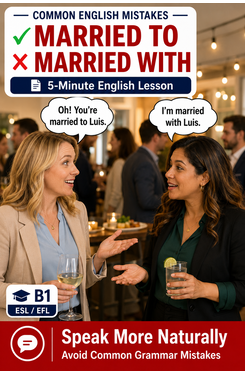
Common Mistakes English Learners Make & How to Fix Them
English learners commonly mix up fun/funny, borrow/lend, prepositions, question word order, irregular plurals, double negatives, literal translations, articles, and say/tell. Mastering these fixes builds clearer communication, boosts confidence, and helps you sound more natural in American English.
🎯 Level:Intermediate ⏱ Time: 5 - 10 minutes 📘 Categories: Real English, Grammar, Vocabulary
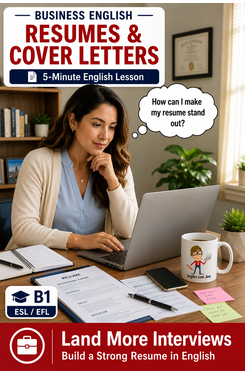
Crafting Your Resume and Cover Letter
A strong resume and cover letter can significantly increase your chances of getting interviews. In this lesson, you'll discover how to tailor applications for specific jobs, optimize for ATS systems, showcase achievements effectively, and present your qualifications with greater confidence and professionalism.
🎯 Level:Intermediate, Advanced ⏱ Time: 20–35 minutes 📘 Categories: Real English, Business English
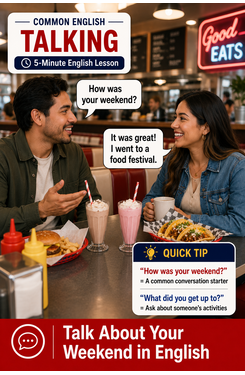
Talking About Personal Experiences
Talking about personal experiences is an important part of everyday communication. In this lesson, you'll learn how to discuss weekend activities, share stories, describe memorable events, express feelings, and ask follow-up questions. These skills will help you have more natural, engaging, and confident conversations in English.
🎯 Level: Beginner, Intermediate ⏱ Time: 20–35 minutes 📘 Categories: Real English, Speaking
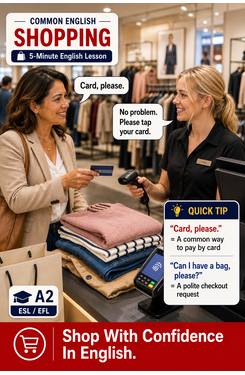
Shopping
Shopping & Assistance
In this lesson, you'll learn practical English for shopping confidently. You'll discover how to ask for help, find products, discuss prices, request sizes and colors, make payments, and handle common supermarket and retail conversations naturally and politely in English.
🎯 Level: Beginner, Intermediate ⏱ Time: 20–35 minutes 📘 Categories: Speaking, Real English
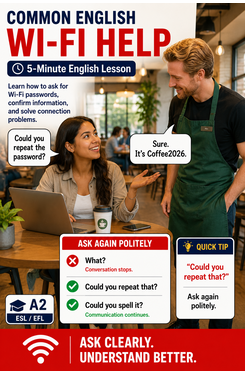
Information and Assistance
In this lesson, you'll learn how to ask for clarification, request slower speech, confirm information, ask for help at tourist information offices, and request Wi-Fi passwords confidently. These practical communication skills will help you avoid misunderstandings and navigate real-world situations more effectively.
🎯 Level: Beginner, Intermediate ⏱ Time: 20–35 minutes 📘 Categories: Speaking, Real English
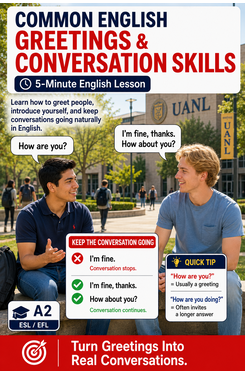
Greetings and Introductions
In this lesson, you'll learn common English greetings, introductions, and conversation skills. You'll discover how to make a good first impression and keep conversations flowing naturally.
🎯 Level: Beginner, Intermediate ⏱ Time: 20–35 minutes 📘 Categories: Speaking, Real English
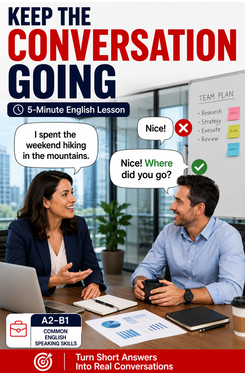
Keeping the Conversation Going
n this lesson, you’ll learn how to keep conversations going by using Basic Conversation Fillers: 'Um', 'Well', Using Phrases to Stall for Time: 'Let me see…', and more. Instead of giving short answers, the you’ll learn how to ask all types of follow up questions so your English sounds more natural, confident, and engaging.
🎯 Level: Beginner, Intermediate ⏱ Time: 20–35 minutes 📘 Categories: Speaking, Real English
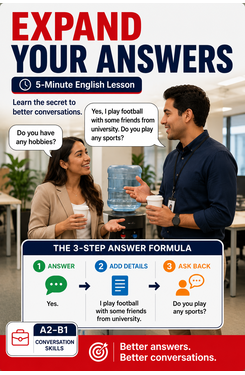
Expanding Your Answers
In this lesson, you'll learn how to keep conversations going by using the 3-Step Answer Formula. Instead of giving short answers, you'll learn how to add details, share your thoughts, and ask return questions so your English sounds more natural, confident, and engaging. 🎯 Level: Beginner, Intermediate ⏱ Time: 20–35 minutes 📘 Categories: Common Mistakes
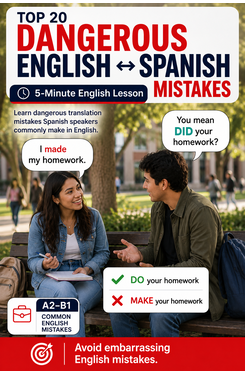
Confusing English Verbs: do, make, win, earn & more
Spanish speakers often confuse English verbs like do, make, win, earn, say, tell, lend, and borrow. Learn the correct differences, avoid common mistakes, and speak more natural everyday English with simple explanations, examples, dialogues, and practice exercises.
🎯 Level: Beginner, Intermediate ⏱ Time: 10 - 15 minutes 📘 Categories: Common Mistakes
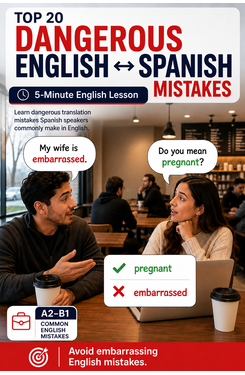
Top 20 Dangerous Spanish ↔ English Translations
Spanish speakers often confuse false cognates because some English and Spanish words look similar but have different meanings. Learning words like “assist,” “library,” “actually,” and “sensible” helps learners avoid misunderstandings, communicate naturally, and prevent embarrassing or dangerous translation mistakes.
🎯 Level: Beginner, Intermediate ⏱ Time: 20–35 minutes 📘 Categories: Common Mistakes
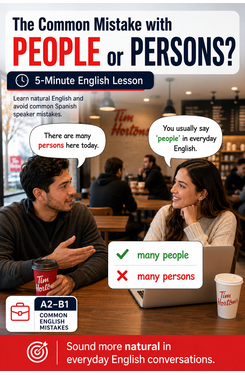
Common Mistakes – Singular -vs- Plural
This lesson explains common singular and plural mistakes Spanish speakers make in English, especially “people” versus “persons.” Learners practice natural everyday English, uncountable nouns, and common grammar corrections through realistic conversations and examples..
🎯 Level: Beginner, Intermediate ⏱ Time: 10–15 minutes 📘 Categories: Common Mistakes
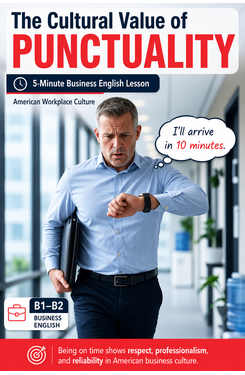
The Cultural Value of Punctuality
In American business culture, punctuality isn't just about showing up on time—it's a powerful form of communication that speaks volumes about who you are as a professional. When you arrive on time or early, you're actually sending several important messages: Respect: You value other people's time as much as your own...🎯 Level: High Internediate, Advanced ⏱ Time: 10–25 minutes 📘 Categories: Speaking, Business English

Requesting and Settling the Bill
When you finish your meal, you need to ask for the bill. In many countries, including Mexico, it is polite to get the server’s attention with eye contact or a small hand gesture. 🍽️
🎯 Level: Beginner, Intermediate ⏱ Time: 10–25 minutes 📘 Category: Speaking, Real-Life English
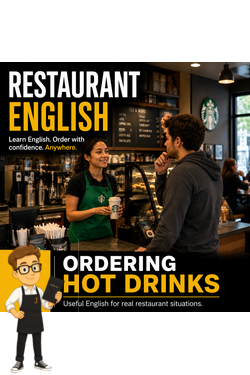
Ordering hot beverages
When ordering coffee or tea, you have several choices to make. In this lesson, you will learn how to ask for different types of coffee and tea, understand unfamiliar menu words, and order hot drinks politely and confidently.
🎯 Level: Beginner, Intermediate ⏱ Time: 10–25 minutes 📘 Category: Speaking, Real-Life English
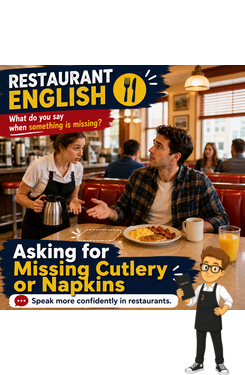
Asking for Missing Cutlery or Napkins
When you eat at a restaurant, sometimes you may not have enough cutlery or napkins at the table. Knowing how to ask politely can help you have a better dining experience. 🍽️
🎯 Level: Beginner, Intermediate ⏱ Time: 10–25 minutes 📘 Category: Speaking, Real-Life English
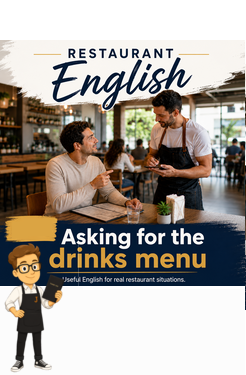
Asking for the Drinks Menu
In this lesson, you’ll learn how to ask for the drinks menu and beverages with clarity, control, and confidence.
🎯 Level: Beginner, Intermediate ⏱ Time: 10–25 minutes 📘 Category: Speaking, Real-Life English

Restaurant English for Real Situations Part 2
In this lesson, you’ll learn how to manage real restaurant situations step-by-step—from the menus, main dishes, side dishes, specials, drinks, and desserts.
🎯 Level: Beginner, Intermediate ⏱ Time: 20–25 minutes 📘 Category: Speaking, Real-Life English

Restaurant English for Real Situations Part 1
Restaurant English for Real Situations Part 1
In this lesson, you’ll learn how to manage real restaurant situations step-by-step—from arrival to being seated—with clarity, control, and confidence.
🎯 Level: A2–B1 ⏱ Time: 10 minutes
📘 Categories: Travel, Speaking, Real-Life English

Job Interview Success for Mexican Professionals
This course covers everything from crafting a standout resume to mastering American business culture, with practical tips, cultural insights, and resources tailored to your unique strengths, like bilingualism and cultural adaptability.
The course is divided into four sections, packed with detailed guidance, YouTube videos, and suggested images to make learning engaging. At the end, you’ll test your knowledge with a 10-question multiple-choice quiz. Let’s dive in and get you ready to ace that interview!
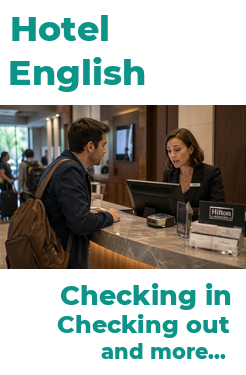
Hotel English – Check in – Check out
In this lesson, you’ll learn how to check in, ask for help, and check out at a hotel with confidence.
🎯 Level: A2–B1 ⏱ Time: 5 minutes
📘 Categories: Travel, Speaking, Vocabulary
You arrive at your hotel after a long trip.
The receptionist asks:
“Can I have your ID and the credit card on file?”
You don’t understand. You hesitate. The line behind you gets longer.
This lesson fixes that.

Shopping for Clothes
Shopping for Clothes
In this lesson, you’ll learn how to ask for help in a store, understand shopping vocabulary, and communicate clearly when buying clothes.
🎯 Level: Intermediate ⏱ Time: 20 minutes
📘 Categories: Shopping, Vocabulary, Speaking

Taking an Airport Bus
In this lesson, you’ll learn how to ask for information, understand bus travel vocabulary, and communicate clearly when taking an airport bus in English.
🎯 Level: Intermediate ⏱ Time: 5 minutes
📘 Categories: Travel English, Vocabulary, Speaking

Renting a Car Abroad
Renting a Car Abroad
In this lesson, you’ll learn useful vocabulary and phrases to rent a car when traveling.
🎯 Level: Intermediate
⏱ Time: 5 minutes
📘 Categories: Vocabulary
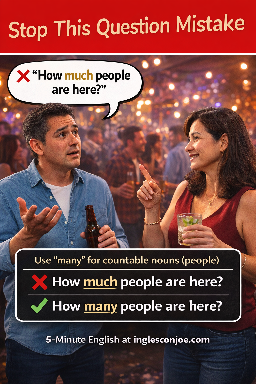
Asking Questions Clearly
Learn how to form questions correctly in English using clear structure and common question words. This quick 5-minute lesson helps you avoid mistakes, improve accuracy, and build confidence. Practice with examples and test your skills in a 20-question quiz to earn your FREE Certificate of Achievement.

Explaining Problems at Work
Learn to explain problems clearly in professional English. This lesson shows you how to describe issues, identify causes, explain results, and present solutions using precise vocabulary. You’ll also understand the difference between “failure” and “inoperable” to communicate more accurately and confidently in real workplace situations.
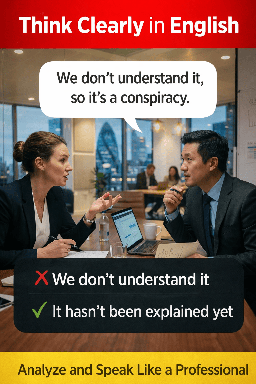
Conspiracy Theories: Advanced English Conversation & Critical Thinking
Analyze how conspiracy theories are formed and why people believe them. Learn to evaluate ideas critically, argue your position with clear structure and evidence, and express your thoughts using precise, professional English. Build the communication skills you need to discuss complex topics confidently and effectively in real workplace situations.
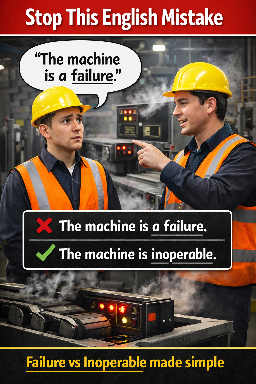
Failure -vs- Inoperable
Understand the difference between failure and inoperable, two commonly confused words. Learn when to describe an unsuccessful result and when to describe something that cannot function. With simple explanations and practical examples, you’ll avoid common mistakes and use both words accurately in everyday English.
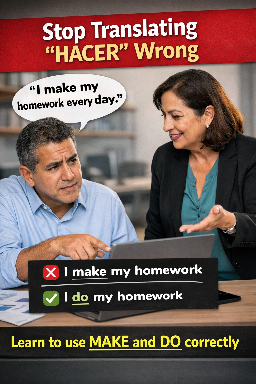
Make -vs- Do
Learn the difference between make and do, two common verbs often confused by Spanish speakers. Understand key patterns, collocations, and when to use each verb correctly. Practice with examples and avoid typical mistakes caused by translating “hacer.” Improve your accuracy and confidence using make and do in everyday English.
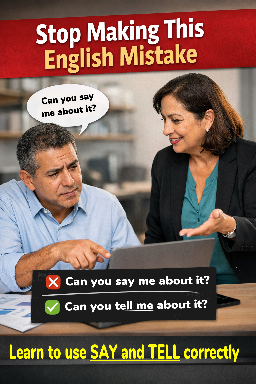
Say -vs- Tell
Learn the difference between “say” and “tell” in English. Use “say” for the message and “tell” for the person receiving it. Remember the structure “tell + someone + to + verb” for instructions. Avoid common mistakes like “say me” and “tell that.” Master key expressions and improve accuracy in everyday communication quickly.
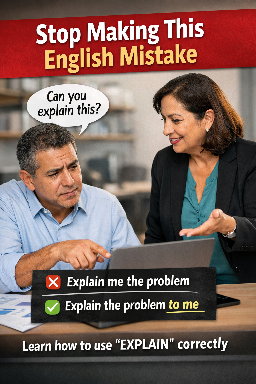
The verb “Explain”
Many English learners say **“Explain me”**, but it’s incorrect. Learn how to use the verb **explain** correctly with clear grammar patterns, examples, and common mistakes to avoid. Improve your English communication and start explaining ideas clearly and naturally in everyday conversations.

What do you do?
Learn how to talk about jobs in English. In this Level 1A lesson, you’ll practice simple questions and answers like “What do you do?” and “What’s your job?” while learning common job vocabulary for everyday conversations.

Countries, Nationalities & Languages
Where are you from? What’s your nationality? What language do you speak? Can you identify the countries, nationalities and the languages from the maps and flags below?
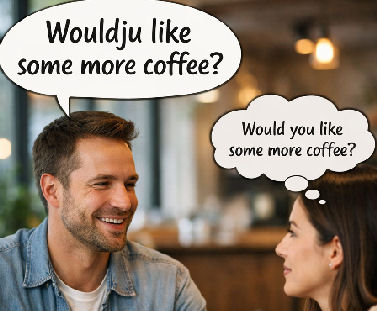
Reductions in English: D+Y→/j/ & D+T→/ch/
In spoken English, sounds often blend together to make speech faster and smoother. This is called reduction. In this lesson, you’ll learn how D + Y and T + Y combine to create new sounds like “j” and “ch.” Mastering these patterns will help you understand native speakers and sound more natural. Let’s get started.

3 Ways to Pronounce Final S
The final S in English doesn’t always sound the same. Sometimes it’s /s/, sometimes /z/, and sometimes /ɪz/. In this lesson, you’ll learn the simple pronunciation rule that explains the difference — plus practice examples to help you speak more naturally and confidently.
🎁 Download the free Final S pronunciation tables with verbs, plural nouns, and possessives to keep practicing.

The Car: More Than Just a Machine
Cars have deeply influenced our culture, the economy, and even how we see ourselves. They have shaped our cities, changed family life, and become symbols of important ideas like freedom, social standing, and progress. You will learn: How cars have transformed our culture, economy, and personal identities. Understanding the car as a symbol of freedom, status, and progress, not just transportation. The stories behind key figures and breakthroughs in the automotive industry and more.
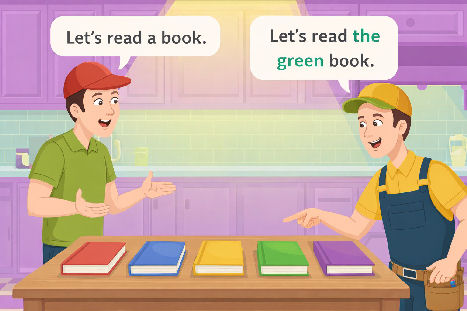
Using Articles (a, an, the)
This lesson covers a core grammar structure (articles: a, an, the). It uses simple examples and everyday vocabulary, focuses on clear rules with basic practice and includes simple geography rules.

Direct vs Indirect Questions
This lesson explains the difference between direct and indirect questions at B2 level. You’ll learn how to remove inversion, eliminate do/does/did, and use polite introductory phrases like “Could you tell me…” and “Do you know…”. Includes clear explanations, transformation charts, and examples in all major verb tenses.
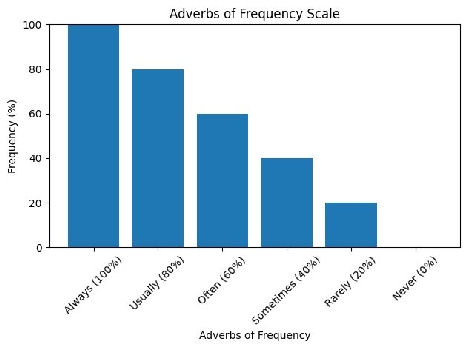
Adverbs of Frequency
How often do you drink coffee?
Do you always wake up early?
Do you sometimes study English at night?
In English, we use adverbs of frequency to talk about how often we do something. These words help us describe our daily routines and habits.
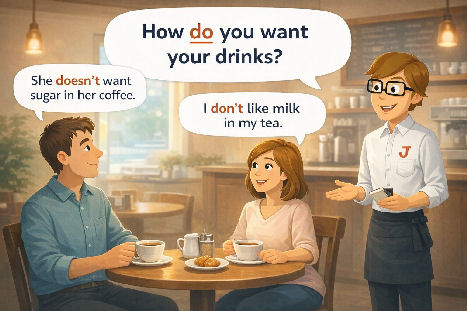
DON’T & DOESN’T — Negative Sentences in the Simple Present
The lesson explains how to use DON'T and DOESN'T in negative sentences in the simple present
Objective:
By the end of this lesson, you can
Make negative sentences in the simple present
Understand the difference between don’t and doesn’t
Avoid common beginner mistakes
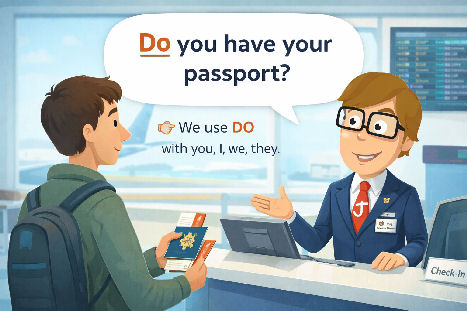
DO & DOES — Questions in the Simple Present
The lesson explains how to use DO and Does in questions.
By the end of this lesson, you can:
Ask Yes/No questions
Ask WH-questions
Ask WH-questions

Latin Singular and Plural Forms — Part (4 of 4)
This lesson introduces Latin plurals in English and explains why they still matter today. You’ll learn common patterns, correct pronunciation, and how to use these words confidently in real sentences. By understanding their structure, you’ll improve your vocabulary, accuracy, and overall fluency in academic and professional English.

Professional Email — Etiquette Essentials
This practical course teaches you how to write polished, professional emails that make the right impression. You'll learn the key components of formal email structure and discover when and how to use appropriate openings, sign-offs, and closings in American English business communication.
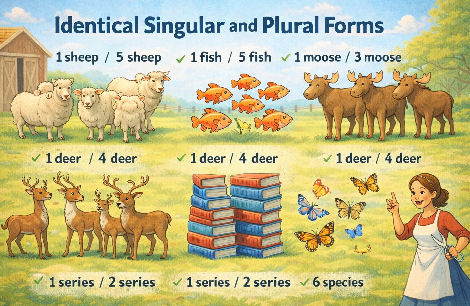
Identical Singular and Plural Forms — Part (3 of 4)
Part 3 of our 4-part deep dive into irregular plurals takes you further into singular and plural forms that look exactly the same. In this focused 5-Minute English lesson, you’ll explore patterns, exceptions, and real-life examples that build clarity, accuracy, and confidence in everyday English usage.
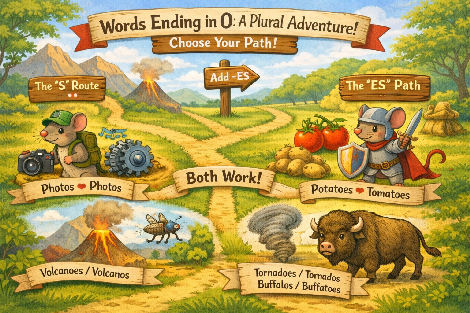
English Irregular Plurals (Part 2 of 4)
Here’s your guide to mastering those tricky plural forms that end in “-o.” In many cases, nouns ending in -o simply add -s, but there is an important group of common words that require -es instead. Learning these will help you sound more accurate and confident in English. Let’s break it down!

English Irregular Plurals: Patterns and Forms (part 1 of 4)
Welcome to this course on irregular plural forms in English. While most English nouns simply add -s or -es to form plurals, a small but important group follows different rules.
Throughout this course, you will learn to recognize and correctly use:
Vowel-change plurals like tooth → teeth and man → men
Consonant changes such as leaf → leaves and knife → knives
Zero plurals where singular and plural look identical (sheep, deer)
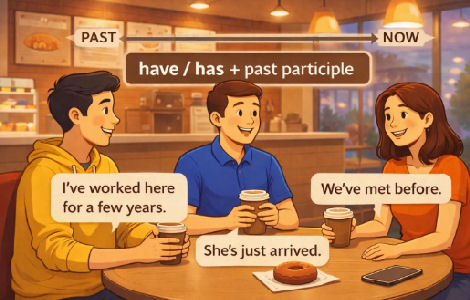
What is the Present Perfect Tense?
The present perfect tense serves as a vital bridge, connecting actions that began in the past to the current moment. Its fundamental structure combines the auxiliary verb 'have' or 'has' with the past participle of the main verb. This versatile tense is essential for effectively communicating life experiences, describing recent events, and discussing situations that are still in progress.
’s = POSSESSION
’s = POSSESSION
👉 In Spanish, possession is expressed as “de”.
👉 In English, we usually use ’s.
’s = IS or HAS
'S — Is or Has
Many learners get confused because ’s can mean three different things: Is, Has, or Possession. In this lesson we focus on 's for is or has.
‘S: Is, Has, or Possession?
'S: Is, Has, or Possession?
Quickly identify what "’s" means based on what comes next.
🎯 Level: Intermediate ⏱ Time: 5 minutes 📘 Category: Grammar
😕 Confusion
John’s late.
Is it:
John is late?
John has late?
John’s (something)?
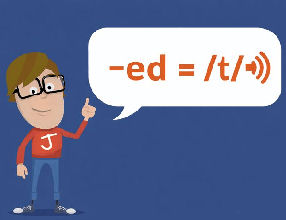
ED Pronunciation – /t/ sound
The -ed ending in the simple past is pronounced /t/ when the base verb ends in these sounds: /p/ /k/ /f/ /s/ /ʃ/ /tʃ/
Voiceless sounds (no vibration in your throat)
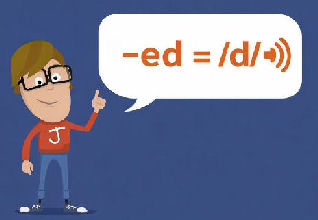
ED Pronunciation – /d/ sound
Learn when -ed is pronounced /d/ in regular past verbs.
The -ed ending is pronounced /d/ when the base verb ends in a voiced sound
(most sounds in English).
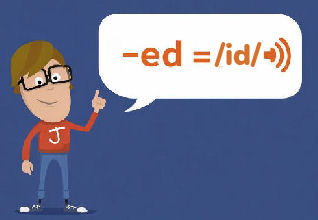
ED Pronunciation – /id/ sound
-ED Pronunciation: /ɪd/
Learn when -ed is pronounced /ɪd/ (adds an extra syllable).
Rule
The -ed ending is pronounced /ɪd/ when the base verb ends in: t or d

ED Pronunciation: /t/ · /d/ · /ɪd/
ED Pronunciation: — /t/ · /d/ · /ɪd/
Choose the correct -ed pronunciation quickly and confidently.
🎯 Level: Intermediate ⏱ Time: 15 minutes 📘 Category: Grammar
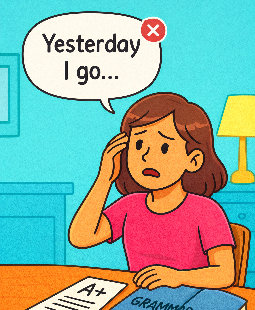
Common Mistakes 1
Some English words look like Spanish words, but mean something completely different. These are called false friends, and they cause misunderstandings.
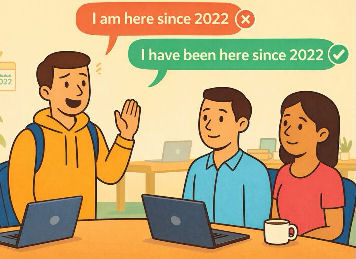
Common Mistakes 2
Grammar Patterns Spanish Speakers Get Wrong
❌ What’s the problem?
Some English sentences follow different patterns than Spanish — even when the words seem similar.
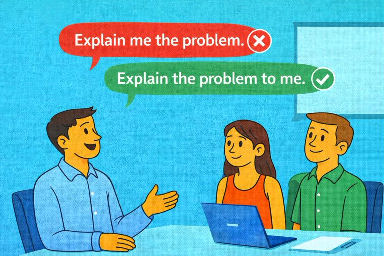
Common Mistakes 3
Some verbs need a preposition and some don’t
❌ What’s the problem?
In English, some verbs need a preposition. Others never do.

Understanding Football
Welcome to your journey into understanding American football! Before diving into specific rules and plays, it's helpful to understand the big picture. This lesson will introduce you to the exciting world of American football.
You will learn the basic rules, positions, and strategies of the game.
By the end of this lesson, you will have a solid foundation for understanding and enjoying football.
Christmas Quiz
Test your Christmas knowledge with Joe’s fun holiday quiz! 🎄
Learn English, enjoy festive trivia, and score 75%+ to earn your “Certified Christmas Expert” certificate. Ready to play?

Joe’s Christmas Movie Collection
🎄 Joe’s Christmas Movie Collection: Family-Friendly Classics for the Holidays You’ll find classics, comedies, cartoons, heartfelt stories, and a few hidden gems — all kid-friendly, cozy, and great for watching with the whole family. Grab some hot chocolate, snuggle up, and enjoy a movie night that actually feels like Christmas.
Learn English with Movies
Movies offer an immersive and engaging way to learn English. They provide exposure to natural conversations and cultural contexts, helping you understand the language in a more dynamic way than textbooks alone can offer.
This lesson will show you how to:
Use effective techniques for active viewing and learning.
Use subtitles strategically to enhance comprehension.
Improve your vocabulary, pronunciation, and cultural awareness.

Thanksgiving in the United States
Thanksgiving in the United States is a holiday that celebrates gratitude, harvest traditions, and family. Indigenous nations held ceremonies of thanks long before Europeans arrived. Early European settlers also observed thanksgiving events, including the 1621 harvest gathering between the Pilgrims and the Wampanoag. In 1789, George Washington declared the first national day of thanksgiving, and in 1863 Abraham Lincoln made it an annual holiday during the Civil War. Modern traditions—family meals, turkey, parades, football, and travel—developed over the 1900s. In 1941, Congress set Thanksgiving as the fourth Thursday of November, creating the holiday Americans celebrate today.
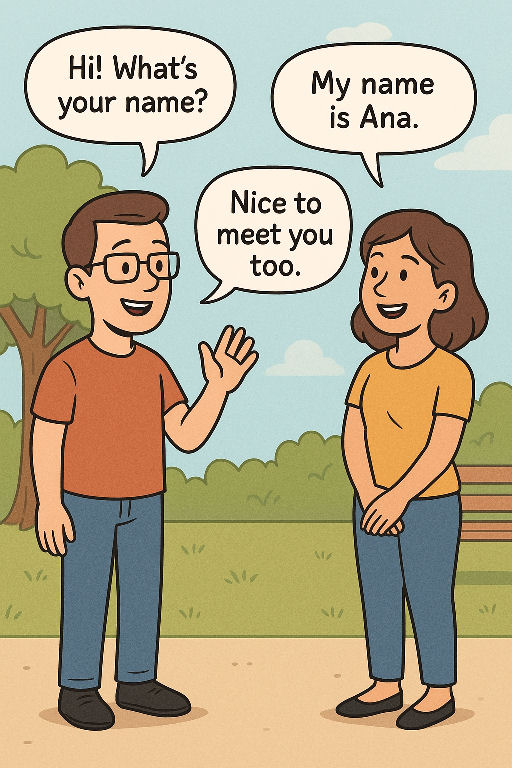
Where are you from?
Learn greetings, countries, nationalities, verb “to be”, alphabet, personal objects, demonstratives, possessives, and speaking practice with exercises for immediate practice.
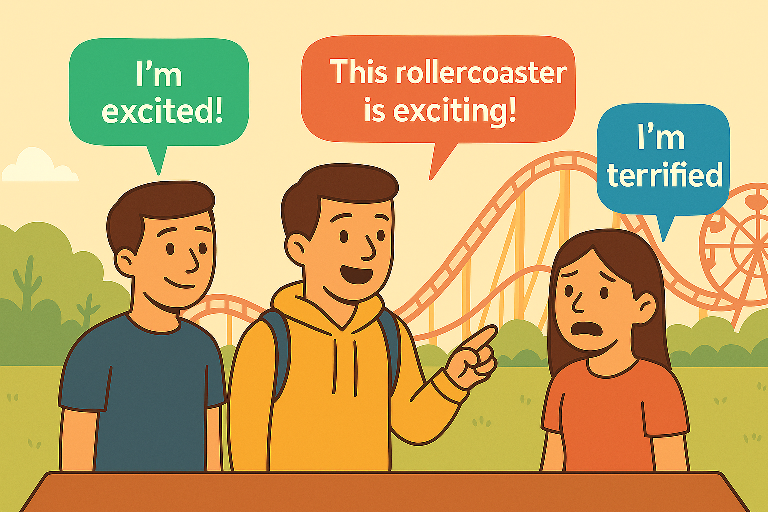
Bringing it all Together -ed & -ing Adjectives
Learn the crucial difference between -ed and -ing adjectives in English. Adjectives ending in -ed describe how someone feels (e.g., bored, excited, tired), while -ing adjectives describe what causes that feeling (e.g., boring, exciting, tiring). Use -ed for the receiver of the emotion and -ing for the source. Understand through examples like 'the movie was boring' (cause) vs. 'I was bored' (feeling). Practice with guided questions to express yourself clearly.
-ing Adjectives: Describing Causes, Not Feelings
By the end of this lesson, you will be able to confidently use these adjectives. We will cover:
What -ing adjectives are and how they describe the source of an emotion.
Why understanding the cause-and-effect relationship is crucial.
How to avoid common mistakes and distinguish -ing words from verbs.
✅ Score 75% or higher and you’ll earn a FREE Certificate of Achievement, delivered straight to your Email. Show off your progress and celebrate your hard work — you’ve earned it! 🌟
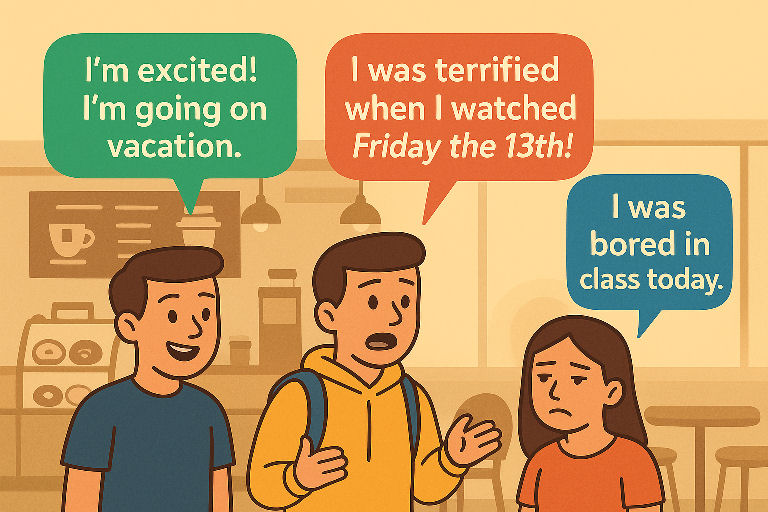
Understanding -ed Adjectives
Ever struggle to find the right word for how you're feeling? It happens to all of us! Luckily, English has a super handy tool for this: adjectives that end in '-ed'. Think of them as little windows into your heart and mind. Getting these right is a game-changer for expressing yourself clearly and understanding how other people feel, too. It’s all about connecting on a deeper level.
*What -ed adjectives are and how they describe internal feelings
*Why they are so important for talking about your emotions
*How using them correctly helps you express personal experiences and connect with others

-ed vs -ing Adjectives: Expressing Feelings & Situations
Welcome to this intensive self-study course! By the end, you’ll be able to confidently use adjectives ending in -ed and -ing to describe feelings and situations in English. This course connects grammar with real-life experience so learning is practical, engaging, and memorable.
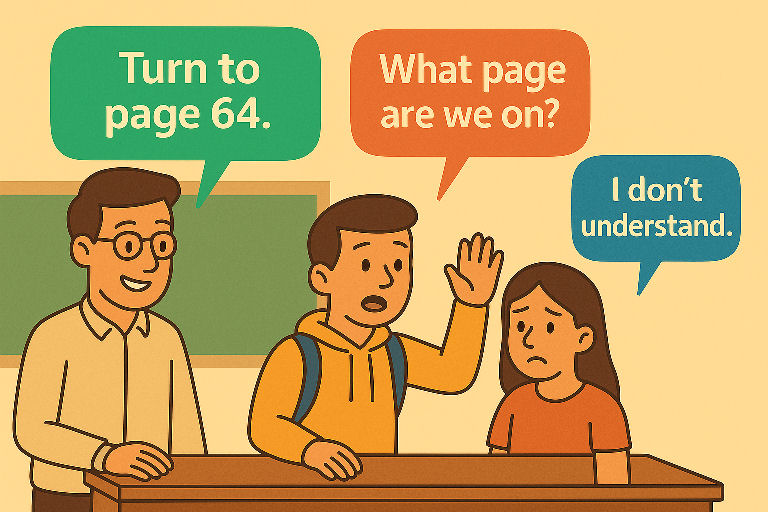
Common Classroom Expressions 1
Common Class Room Expressions 1
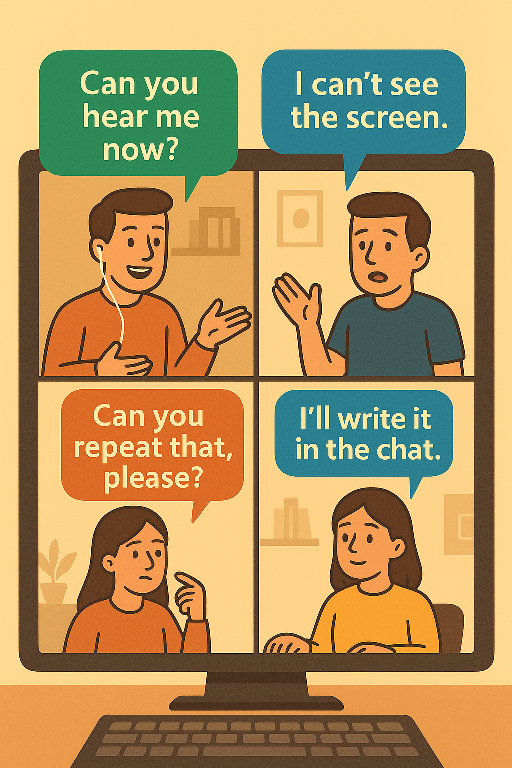
Common Classroom Expressions 2
Common Class Room Expressions 2
FREE download
Starter English
Welcome to the first step of your English language journey! This lesson is designed for absolute beginners and will introduce you to the fundamental building blocks of English communication. You'll start with the basics of meeting new people and navigating a classroom environment.
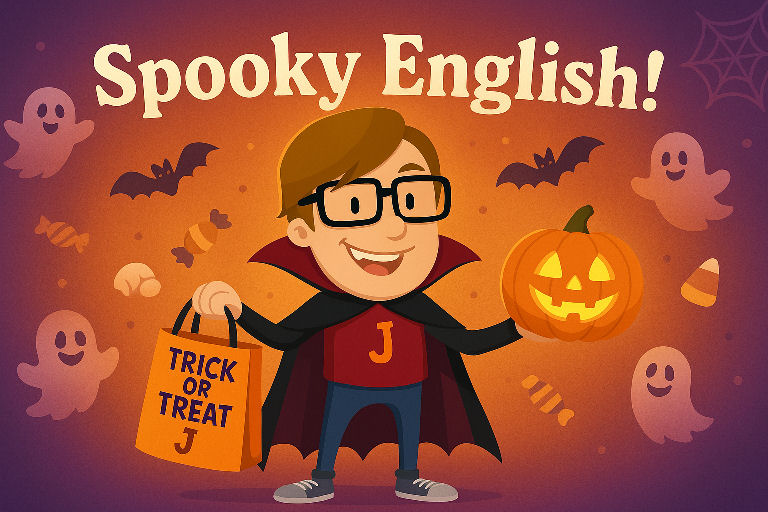
Halloween
Discover the fascinating world of American Halloween traditions and how they've evolved over time. You'll learn about the origins of popular Halloween symbols, explore how Americans celebrate today, and see how this spooky holiday has become a beloved part of American pop culture.
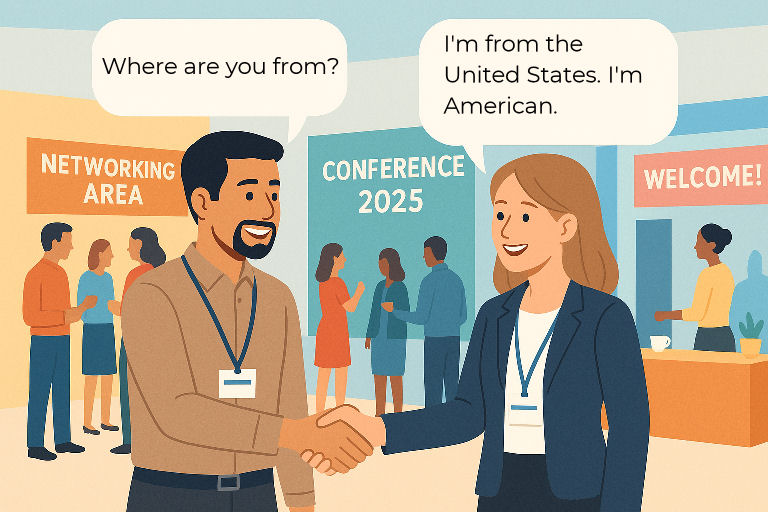
Welcome to English
Get ready to start your English learning journey! In this lesson, you will learn the basics to help you communicate in simple and common situations.
How to introduce yourself and meet new people
To talk about yourself using the verb "Be"
New vocabulary for numbers, countries, and objects
How to ask and answer simple questions
Essential skills like completing a form

Describing Places and Vacation Preferences in English
This practical course helps beginner English learners describe their surroundings and express vacation preferences using essential grammar structures. You'll learn to talk about places using comparative language and communicate your likes and dislikes with confidence in everyday conversations.
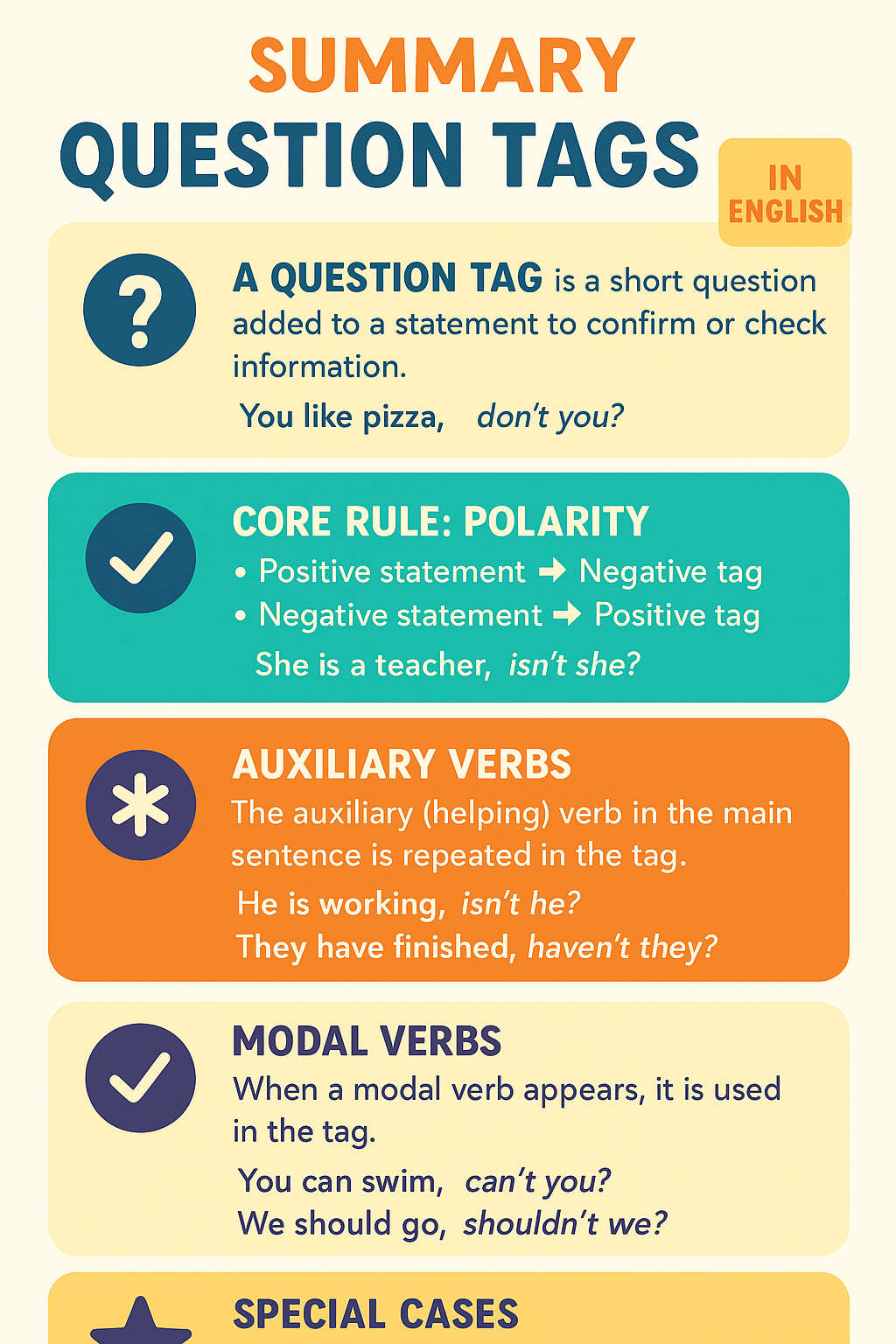
Question Tags Part 1
A question tag is a short question added to a statement to confirm or check information. The rule is simple: positive sentences take negative tags, and negative sentences take positive tags. The auxiliary verb in the main clause is repeated in the tag (isn’t, haven’t, won’t, etc.). If there’s no auxiliary, use do/does/did. The subject always matches the pronoun in the tag. Special cases include aren’t I?, everyone…aren’t they?, and it/there forms.
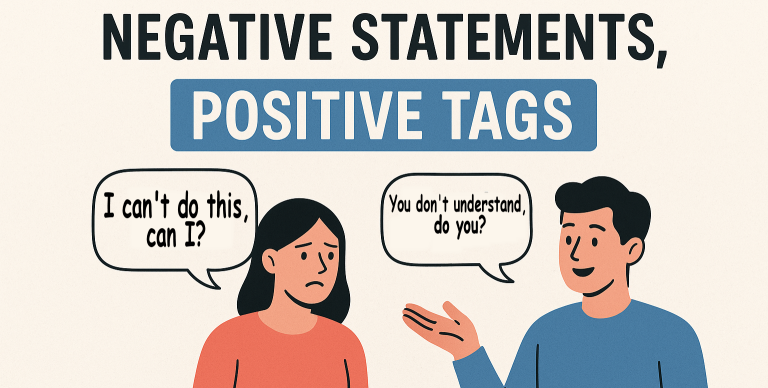
Question Tags Part 2
The Standard Rule for Negative Clauses
When the main clause is negative, the question tag must be positive. This is the natural “mirror” of Chapter 1.
• Statement: She isn’t ready.
• Auxiliary: is
• Tag: is she?
• Full sentence: She isn’t ready, is she?
This is one of the most powerful fluency markers. Using a negative tag after a negative statement is a classic learner error, and native speakers immediately notice it.
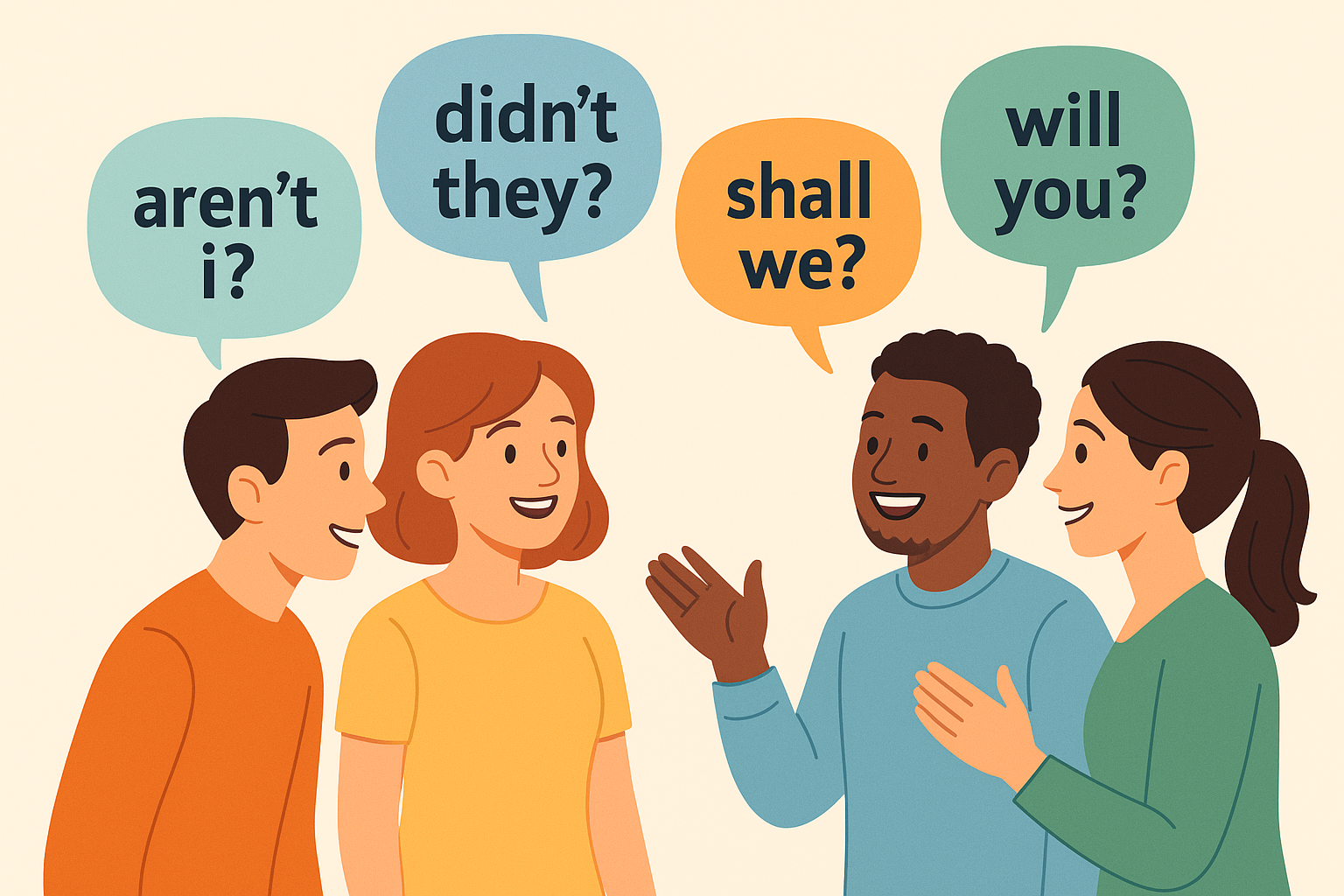
Question Tags Part 3 Irregular and Special Verb Forms
Explore the quirks of English question tags, from irregular forms like 'aren’t I?' to special rules for 'let’s', imperatives, and phrases like 'have to' and 'used to'. Learn why native speakers favor certain tags, and discover tips to sound more fluent.
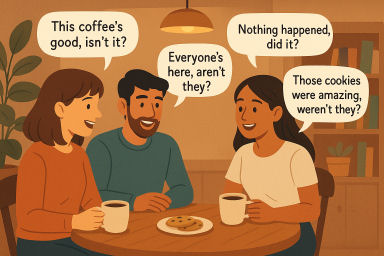
Question Tags 4: Mastering Pronouns in English Question Tags
English uses special rules for pronouns like this, that, everyone, and nothing in question tags. Getting these rules wrong is a common sign of a non-native speaker. Once you learn the system, however, it is very consistent and easy to apply.
This lesson covers the key mapping rules for these special subjects.
Mastering these rules will make your spoken English sound much more natural.
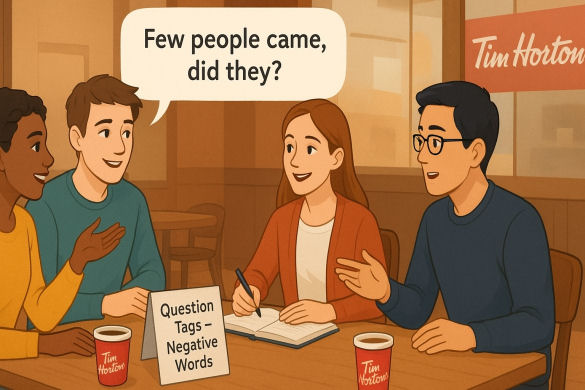
Question Tags 5: Negative Words and Meanings
Not all negative statements in English use the word "not." Some words look neutral but carry a hidden negative meaning. These are called negative polarity words, and they're a classic trap for learners because they require the question tag to be positive, even when there's no visible "not."
In this lesson, you will learn how to master these tricky words to improve your fluency. We will explore:
What negative polarity words are and how to identify them.
How words like never, hardly, seldom, and rarely function as negatives.
The crucial difference between few/little and a few/a little.
How to form correct question tags for sentences containing these words.
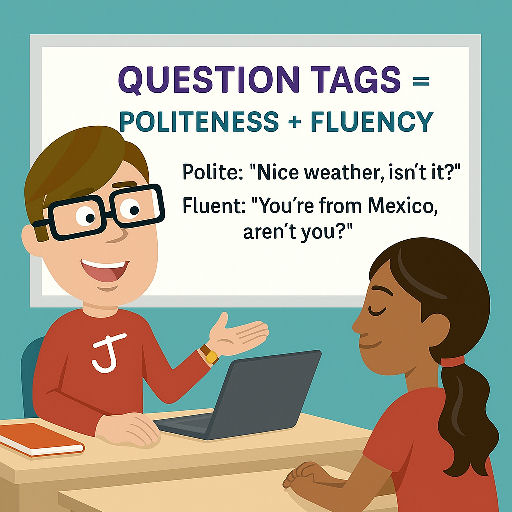
Question Tags 7: Practical Application and Common Mistakes
This lesson explains how to use tag questions in English to sound polite and natural, especially for Spanish speakers. It highlights their role in softening statements, starting conversations, and common mistakes.

Question Tags 6: Intonation and Meaning
English question tags change meaning based on intonation. A falling pitch (↘) shows confidence or politeness, expecting agreement, while a rising pitch (↗) signals a real question or uncertainty. Spanish relies less on pitch, so learners may miscommunicate in English. Tags can also express encouragement, sarcasm, or soften statements. Mastering intonation in tags is key to sounding natural and polite in English.

Mastering Subject-Verb Agreement
Subject-verb agreement is crucial for clear business communication. This lesson focuses on indefinite pronouns and quantity expressions, helping you sound more professional when speaking or writing in English.
Present Perfect
The Present Perfect tense links the past to the present, focusing on life experiences, actions that continue over time, recent events, and results that affect the present. It is formed with have/has + past participle and is commonly used with words like ever, never, just, already, yet, for, and since. Unlike the Past Simple, which refers to finished time, the Present Perfect emphasizes present relevance: I have lost my phone (I don’t have it now) vs. I lost my phone yesterday. By mastering its structure, key signal words, and irregular participles, learners gain a powerful tool for expressing experiences, continuity, and outcomes in English communication.

Understanding Cognates
Why study cognates?
• Build vocabulary faster with less effort.
• Avoid embarrassing or confusing mistakes.
• Communicate more confidently in travel, study, and work situations.
• Understand authentic English texts with greater ease.
Think of cognates as bridges between English and Spanish. Some bridges are strong and safe, some are shaky, and a few lead you to the wrong place. By the end of this course, you’ll know which bridges to cross with confidence, which ones to avoid, and which require caution.
Now… let’s start cracking cognates! 🚀
Mastering Online Business Presentations in English for American Audiences
Present with Confidence. Impress American Audiences.
You already speak fluent English. Now it’s time to polish your delivery and win over U.S. clients and colleagues.
This self-paced course helps Mexican professionals:
✨ Design PowerPoint presentations that stand out.
✨ Speak with clarity, confidence, and advanced Business English.
✨ Engage audiences with polls, Q&A, and storytelling.
✨ Align with American business culture—direct, punctual, and results-driven.
No complicated platforms. No outside reviews. Just practical lessons, quizzes, and self-assessments—all online, on your schedule.

¡Domina el Inglés con Inglés con Joe!
¿Te frustra no poder hablar inglés con confianza? Si has probado escuelas tradicionales, memorizado gramática o usado apps sin resultados, es momento de un cambio real. Inglés con Joe te ofrece un método revolucionario que ha transformado la vida de más de 800 estudiantes en México y el mundo, con una tasa de éxito del 98%. Olvídate de los libros aburridos y descubre cómo hablar inglés con fluidez, entender a nativos y brillar en cualquier conversación.

Prepositions of Direction—To
By the end of the lesson, students will be able to:
Recognize the use of “to,” “into,” “onto,” and “in” as prepositions of direction.
Explain the difference between:
to → general movement toward a place/goal.
into → movement from outside to inside.
onto → movement from a lower position to a surface.
in → final position inside a space/place (no movement).

Nouns & adjectives, cultural festivals, effects of music, and technology
This course is designed for B2 English learners looking to improve their vocabulary, grammar, and communication skills. Dive into the relationships between nouns and adjectives, explore cultural festivals worldwide, analyze the effects of music, and reflect on technology's impact on daily life.