
Thanksgiving in the United States

Thanksgiving in the United States is a holiday that celebrates gratitude, harvest traditions, and family. Indigenous nations held ceremonies of thanks long before Europeans arrived. Early European settlers also observed thanksgiving events, including the 1621 harvest gathering between the Pilgrims and the Wampanoag. In 1789, George Washington declared the first national day of thanksgiving, and in 1863 Abraham Lincoln made it an annual holiday during the Civil War. Modern traditions—family meals, turkey, parades, football, and travel—developed over the 1900s. In 1941, Congress set Thanksgiving as the fourth Thursday of November, creating the holiday Americans celebrate today.

read more

Bringing it all Together -ed & -ing Adjectives

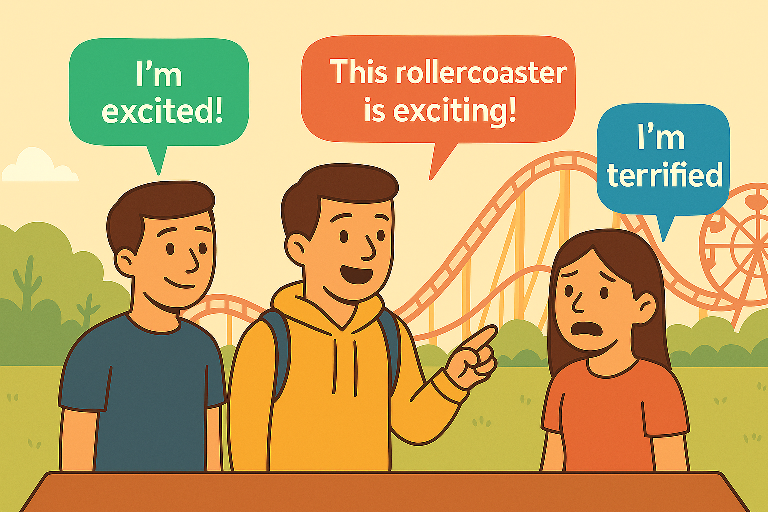
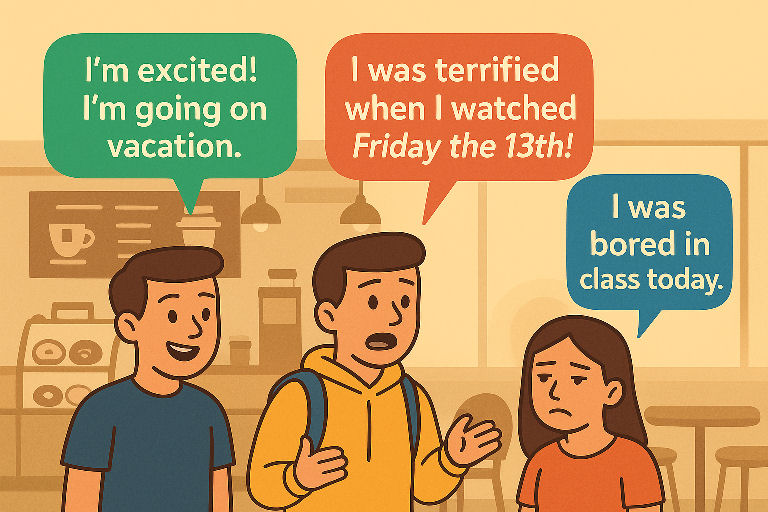
Learn the crucial difference between -ed and -ing adjectives in English. Adjectives ending in -ed describe how someone feels (e.g., bored, excited, tired), while -ing adjectives describe what causes that feeling (e.g., boring, exciting, tiring). Use -ed for the receiver of the emotion and -ing for the source. Understand through examples like ‘the movie was boring’ (cause) vs. ‘I was bored’ (feeling). Practice with guided questions to express yourself clearly.

read more

-ing Adjectives: Describing Causes, Not Feelings

By the end of this lesson, you will be able to confidently use these adjectives. We will cover:

What -ing adjectives are and how they describe the source of an emotion.
Why understanding the cause-and-effect relationship is crucial.
How to avoid common mistakes and distinguish -ing words from verbs.

✅ Score 75% or higher and you’ll earn a FREE Certificate of Achievement, delivered straight to your Email. Show off your progress and celebrate your hard work — you’ve earned it! 🌟

read more

Understanding -ed Adjectives

Ever struggle to find the right word for how you’re feeling? It happens to all of us! Luckily, English has a super handy tool for this: adjectives that end in ‘-ed’. Think of them as little windows into your heart and mind. Getting these right is a game-changer for expressing yourself clearly and understanding how other people feel, too. It’s all about connecting on a deeper level.
*What -ed adjectives are and how they describe internal feelings
*Why they are so important for talking about your emotions
*How using them correctly helps you express personal experiences and connect with others

read more

-ed vs -ing Adjectives: Expressing Feelings & Situations

Welcome to this intensive self-study course! By the end, you’ll be able to confidently use adjectives ending in -ed and -ing to describe feelings and situations in English. This course connects grammar with real-life experience so learning is practical, engaging, and memorable.

read more

A Course for Mexican Travelers to English Speaking Countries

We’re really gonna dive into practical English for all those travel scenarios you’ll encounter. We’re talking about everything from making reservations (like for a hotel or a car), navigating those big airports, getting through customs and immigration without a hitch, arranging transportation, and, of course, confidently interacting at hotels and restaurants. This course isn’t just about words; it’s about making sure you sound professional, understand cultural differences, and can actually use what you learn in the real world.

read more

Ultimate Future Forms in English Course

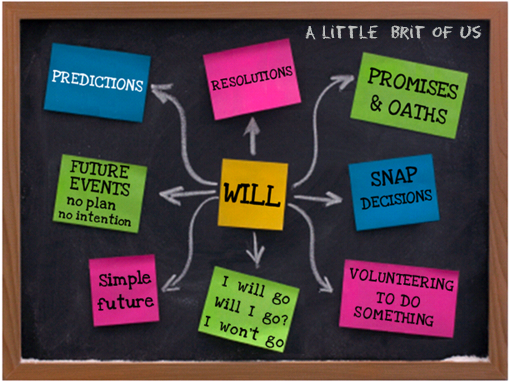
Welcome to this comprehensive self-study English course on future forms, crafted for Mexican Spanish speakers at the B1 intermediate level learning English as a foreign or second language. This course will empower you to express future plans, predictions, and schedules confidently, using relatable scenarios like organizing a Día de Muertos celebration, planning a trip to Puerto Vallarta, or preparing a family taquiza. Score 80% or higher on the quiz, and we’ll reward your mastery with a FREE Certificate of Achievement

read more

Future Tense in English

When you talk about trains or buses , you’ll often use the present simple tense. This is because timetables are fixed and scheduled events. It’s super easy to learn! You’re basically describing something that happens regularly or at a set time.

read more

Everyday English for Social and Community Interactions

Equip Mexican English learners (A2 to B1-2) with the language skills to understand written texts for everyday social and community settings, such as markets, family gatherings, and local events, while integrating Mexican cultural contexts.

This course will equip you with the language skills and cultural understanding needed to successfully participate in U.S. business settings.

Earn a complimentary course completion certificate by achieving a score of 80% or higher on our comprehensive quiz.

read more