
★★★★★ Pronunciation

Pronunciation -ED endings

The -ed ending can be pronounced in three different ways: /t/, /d/, or /ɪd/. In this lesson, you’ll learn a simple rule to know which sound to use—and practice saying common past-tense verbs naturally!

Level: Intermediate ⏱ Time: 5 - 10 minutes Categories: Pronunciation                                

💡 What you'll learn

1
Learn the three pronunciations of -ED: /t/, /d/, and /ɪd/
2
Learn the simple rules for choosing the correct -ED sound
3
Practice identifying voiced and voiceless sounds
4
Practice pronouncing common past-tense verbs with the correct -ED sound
5
Use the finger-on-your-neck test to feel voiced and voiceless sounds
6
Review and practice the /t/, /d/, and /ɪd/ sounds in natural speech

🔑 Key Expressions

The Three Pronunciations of -ED

-ED = /t/-ED = /d/-ED = /ɪd/

-ED Pronounced /t/

The -ED ending is pronounced /t/ when the base verb ends in a voiceless sound (except /t/).

Examples:

✓ worked → /wɜrkt/
✓ walked → /wɔkt/
✓ talked → /tɔkt/
✓ washed → /wɑʃt/
✓ watched → /wɑtʃt/
✓ laughed → /læft/
✓ helped → /helpt/
✓ stopped → /stɑpt/
✓ asked → /æskt/
✓ danced → /dænst/
✓ kissed → /kɪst/
✓ finished → /ˈfɪnɪʃt/

Remember:

If the final sound of the base verb is voiceless, the -ED sounds like /t/.

-ED Pronounced /d/

The -ED ending is pronounced /d/ when the base verb ends in a voiced sound (except /d/).

Examples:

✓ played → /pleɪd/
✓ called → /kɔld/
✓ cleaned → /kliːnd/
✓ opened → /ˈoʊpənd/
✓ lived → /lɪvd/
✓ loved → /lʌvd/
✓ planned → /plænd/
✓ answered → /ˈænsərd/
✓ learned → /lɜrnd/
✓ used → /juːzd/
✓ arrived → /əˈraɪvd/
✓ stayed → /steɪd/

Remember:

If the final sound of the base verb is voiced, the -ED sounds like /d/.

-ED Pronounced /ɪd/ + 1 syllable

The -ED ending is pronounced /ɪd/ when the base verb ends in the sounds /t/ or /d/.

Examples:

✓ wanted → /ˈwɑntɪd/
✓ needed → /ˈniːdɪd/
✓ started → /ˈstɑrtɪd/
✓ visited → /ˈvɪzɪtɪd/
✓ decided → /dɪˈsaɪdɪd/
✓ invited → /ɪnˈvaɪtɪd/
✓ waited → /ˈweɪtɪd/
✓ ended → /ˈendɪd/
✓ accepted → /əkˈseptɪd/
✓ reported → /rɪˈpɔrtɪd/
✓ graduated → /ˈɡrædʒuˌeɪtɪd/
✓ created → /kriˈeɪtɪd/

Remember:

If the base verb ends in /t/ or /d/, -ED adds an extra syllable and is pronounced /ɪd/.

-ED = /t/ -ED = /d/ -ED = /ɪd/ + 1 syllable
🏃 jumped ❄️ snowed 🎨 painted
👀 looked 🌧️ rained 🔢 counted
🔧 fixed 💰 saved 🖨️ printed
❌ missed 🔄 changed 🛡️ protected
💼 worked 🤝 offered 🎯 expected
📍 reached ✅ agreed ➕ included
📉 reduced 📈 improved ✔️ completed
🔍 checked ➡️ followed 📊 presented
👋 introduced 📤 shared 🧮 calculated
📈 increased 👍 approved 📐 estimated
🔁 replaced 📋 required 📢 communicated
🔎 searched ✔️ confirmed 💡 recommended

📝 Practice Exercises

Introduction to -ED pronunciation ▼ Reveal
Can you hear the differences in these E-D endings?
Talked
Raised
Decided
Talked, ends with a /t/ sound Raised, ends with a /d/ sound and Decided, ends with a new syllable pronounced /ɪd/.
/t/ pronunciation▼ Reveal
/t/ pronunciation uses /t/ when the base verb ends in a voiceless sound do not add a syllable
talked → /talkt/
watched → /watcht/
laughed → /laught/
stopped → /stoppt/
finished → /finisht/
/d/ pronunciation▼ Reveal
/d/ pronunciation uses /d/ when the base verb ends in a voiced sound do not add a syllable
opened → /opend/
lived → /livd/
answered → /anserd/
learned → /learnd/
arrived → /arrivd/
/ɪd/ pronunciation▼ Reveal
When the base verb ends in -t or -d / ɪd/ pronunciation use /ɪd/ add an extra syllable.
wanted → /wantid/
needed → /needid/
started → /startid/
visited → visitid/
decided → /decidid/
How to tell if the ending is voiceless or voiced:
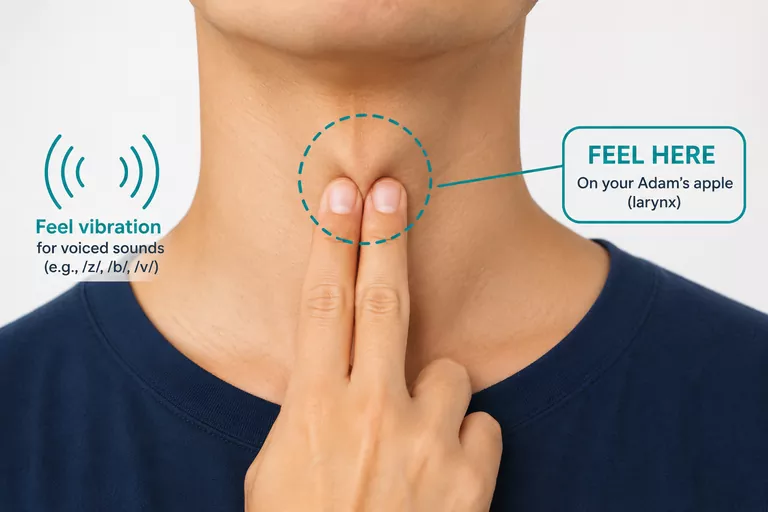

How to place your fingers:
  1. Use your index and middle fingers.
  2. Place the fingertips gently on the front of your neck.
  3. Put them in the center of your throat, over your Adam’s apple (larynx).
  4. Do not press hard—just enough to feel a vibration.
  5. Say “zzzz” and feel the vibration.
  6. Then say “ssss” and notice that there is little or no vibration.
Important: The fingers should be on the front-center of the neck, not on the side of the neck.
wash → /ʃ/ → voiceless → washed /t/ → /washt/
play → /eɪ/ → voiced → played /d/ → /playd/
want → -t or -d → wanted /ɪd/ plus extra syllable → /want + ed/
decide → -t or -d → decided /ɪd/
plus extra syllable → /decide + ed/

The Three Pronunciations of -ED

It’s time to practice the -ed pronunciation endings:
Click the button and a new window will open.

🎧 Listen and Repeat

Listen to the audio and repeat each sentence. Then, play the audio again and **read along as you repeat each sentence**.

Listen and read
▼ Reveal
Now is your chance to practice. Listen for the verb endings as you repeat the following sentences.

  1. We painted Sarah's apartment on Saturday.
  2. They really liked the exhibit at the museum.
  3. She threaded the needle carefully and began to sew.
  4. Everyone raved about the party.
  5. Mary hugged her children before they got on the school bus.
  6. The movie ended on a low note.
  7. Greg fluffed the pillows when he made the bed.
  8. They divided the costs equally among the group.

📌 Summary

1
You identified the three pronunciations of -ED: /t/, /d/, and /ɪd/.
2
You learned the simple rules for choosing the correct -ED sound.
3
You practiced identifying voiced and voiceless sounds.
4
You practiced pronouncing common past-tense verbs with the correct -ED sound.
5
You used the finger-on-your-neck test to feel the vibration of voiced sounds.
6
You practiced using the /t/, /d/, and /ɪd/ sounds correctly in past-tense verbs.