
This lesson covers a core grammar structure (articles: a, an, the). It uses simple examples and everyday vocabulary, focuses on clear rules with basic practice and includes simple geography rules.
Using Articles (a, an, the)
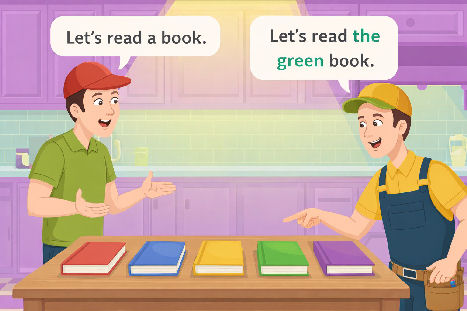
This lesson covers a core grammar structure (articles: a, an, the). It uses simple examples and everyday vocabulary, focuses on clear rules with basic practice and includes simple geography rules.

This lesson explains the difference between direct and indirect questions at B2 level. You’ll learn how to remove inversion, eliminate do/does/did, and use polite introductory phrases like “Could you tell me…” and “Do you know…”. Includes clear explanations, transformation charts, and examples in all major verb tenses.
How often do you drink coffee?
Do you always wake up early?
Do you sometimes study English at night?
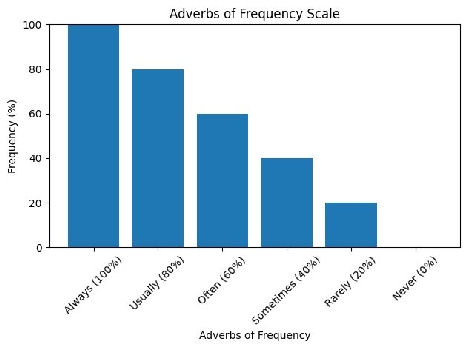
In English, we use adverbs of frequency to talk about how often we do something. These words help us describe our daily routines and habits.
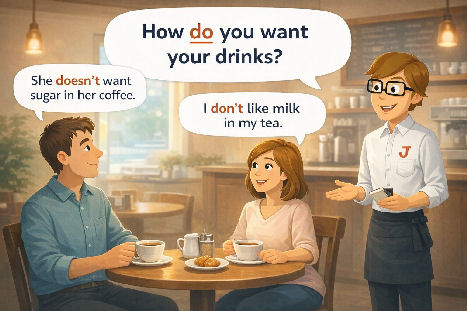
The lesson explains how to use DON’T and DOESN’T in negative sentences in the simple present
Objective:
By the end of this lesson, you can
Make negative sentences in the simple present
Understand the difference between don’t and doesn’t
Avoid common beginner mistakes

The lesson explains how to use DO and Does in questions.
By the end of this lesson, you can:
Ask Yes/No questions
Ask WH-questions
Ask WH-questions
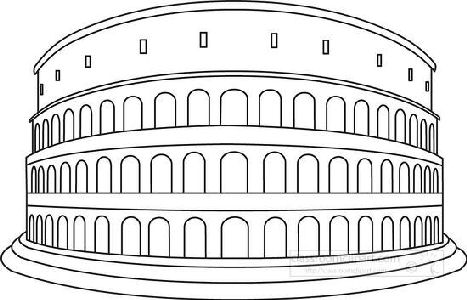
This lesson introduces Latin plurals in English and explains why they still matter today. You’ll learn common patterns, correct pronunciation, and how to use these words confidently in real sentences. By understanding their structure, you’ll improve your vocabulary, accuracy, and overall fluency in academic and professional English.

This practical course teaches you how to write polished, professional emails that make the right impression. You’ll learn the key components of formal email structure and discover when and how to use appropriate openings, sign-offs, and closings in American English business communication.
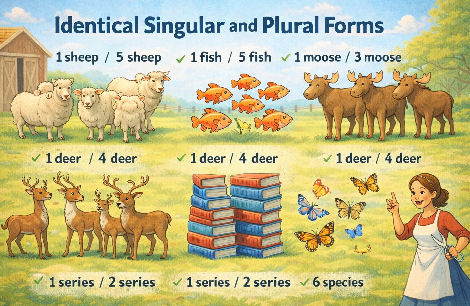
Part 3 of our 4-part deep dive into irregular plurals takes you further into singular and plural forms that look exactly the same. In this focused 5-Minute English lesson, you’ll explore patterns, exceptions, and real-life examples that build clarity, accuracy, and confidence in everyday English usage.
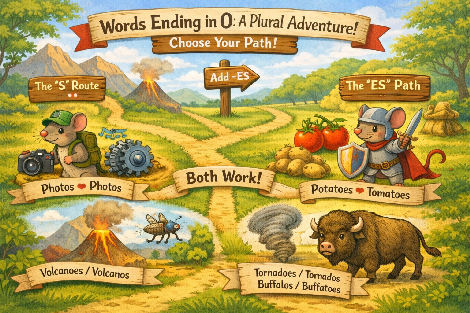
Here’s your guide to mastering those tricky plural forms that end in “-o.” In many cases, nouns ending in -o simply add -s, but there is an important group of common words that require -es instead. Learning these will help you sound more accurate and confident in English. Let’s break it down!

Welcome to this course on irregular plural forms in English. While most English nouns simply add -s or -es to form plurals, a small but important group follows different rules.
Throughout this course, you will learn to recognize and correctly use:
Vowel-change plurals like tooth → teeth and man → men
Consonant changes such as leaf → leaves and knife → knives
Zero plurals where singular and plural look identical (sheep, deer)