Identical Singular and Plural Forms — Part (3 of 4)
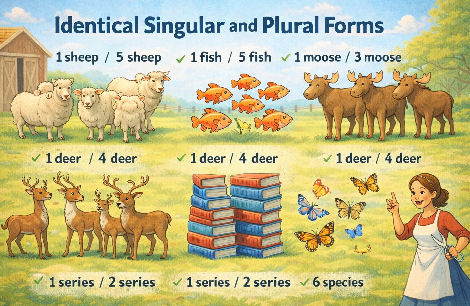
Part 3 of our 4-part deep dive into irregular plurals takes you further into singular and plural forms that look exactly the same. In this focused 5-Minute English lesson, you’ll explore patterns, exceptions, and real-life examples that build clarity, accuracy, and confidence in everyday English usage.

read more

English Irregular Plurals (Part 2 of 4)

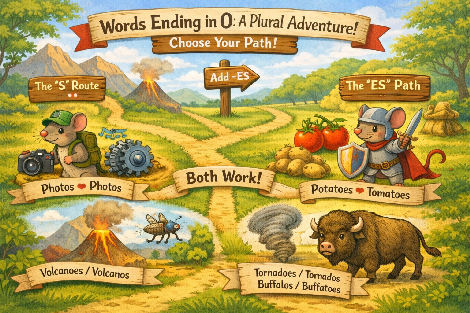
Here’s your guide to mastering those tricky plural forms that end in “-o.” In many cases, nouns ending in -o simply add -s, but there is an important group of common words that require -es instead. Learning these will help you sound more accurate and confident in English. Let’s break it down!

read more

English Irregular Plurals: Patterns and Forms (part 1 of 4)

Welcome to this course on irregular plural forms in English. While most English nouns simply add -s or -es to form plurals, a small but important group follows different rules.

Throughout this course, you will learn to recognize and correctly use:

Vowel-change plurals like tooth → teeth and man → men
Consonant changes such as leaf → leaves and knife → knives
Zero plurals where singular and plural look identical (sheep, deer)

read more

What is the Present Perfect Tense?

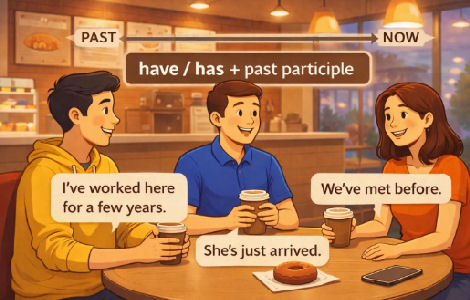
The present perfect tense serves as a vital bridge, connecting actions that began in the past to the current moment. Its fundamental structure combines the auxiliary verb ‘have’ or ‘has’ with the past participle of the main verb. This versatile tense is essential for effectively communicating life experiences, describing recent events, and discussing situations that are still in progress.

read more

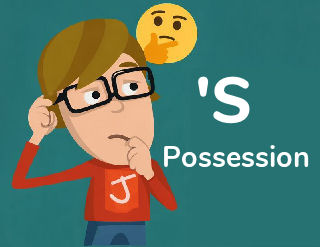
’s = POSSESSION

’s = POSSESSION

👉 In Spanish, possession is expressed as “de”.
👉 In English, we usually use ’s.

read more

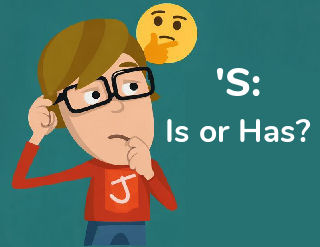
’s = IS or HAS

‘S — Is or Has

Many learners get confused because ’s can mean three different things: Is, Has, or Possession. In this lesson we focus on ‘s for is or has.

read more

‘S: Is, Has, or Possession?

‘S: Is, Has, or Possession?

Quickly identify what “’s” means based on what comes next.

🎯 Level: Intermediate ⏱ Time: 5 minutes 📘 Category: Grammar

😕 Confusion
John’s late.

Is it:
John is late?
John has late?
John’s (something)?

read more

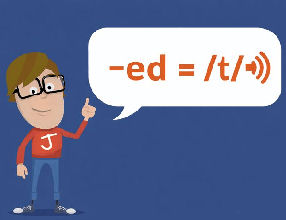
ED Pronunciation – /t/ sound

The -ed ending in the simple past is pronounced /t/ when the base verb ends in these sounds: /p/ /k/ /f/ /s/ /ʃ/ /tʃ/
Voiceless sounds (no vibration in your throat)

read more

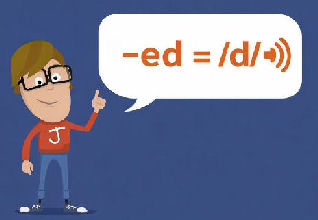
ED Pronunciation – /d/ sound

Learn when -ed is pronounced /d/ in regular past verbs.
The -ed ending is pronounced /d/ when the base verb ends in a voiced sound
(most sounds in English).

read more

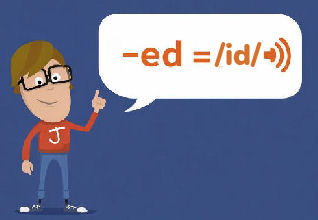
ED Pronunciation – /id/ sound

-ED Pronunciation: /ɪd/
Learn when -ed is pronounced /ɪd/ (adds an extra syllable).
Rule
The -ed ending is pronounced /ɪd/ when the base verb ends in: t or d

read more