The -ed ending in the simple past is pronounced /t/ when the base verb ends in these sounds: /p/ /k/ /f/ /s/ /ʃ/ /tʃ/
Voiceless sounds (no vibration in your throat)
ED Pronunciation – /t/ sound


The -ed ending in the simple past is pronounced /t/ when the base verb ends in these sounds: /p/ /k/ /f/ /s/ /ʃ/ /tʃ/
Voiceless sounds (no vibration in your throat)

Learn when -ed is pronounced /d/ in regular past verbs.
The -ed ending is pronounced /d/ when the base verb ends in a voiced sound
(most sounds in English).

-ED Pronunciation: /ɪd/
Learn when -ed is pronounced /ɪd/ (adds an extra syllable).
Rule
The -ed ending is pronounced /ɪd/ when the base verb ends in: t or d

ED Pronunciation: — /t/ · /d/ · /ɪd/
Choose the correct -ed pronunciation quickly and confidently.
🎯 Level: Intermediate ⏱ Time: 15 minutes 📘 Category: Grammar

Some English words look like Spanish words, but mean something completely different. These are called false friends, and they cause misunderstandings.

Grammar Patterns Spanish Speakers Get Wrong
❌ What’s the problem?
Some English sentences follow different patterns than Spanish — even when the words seem similar.

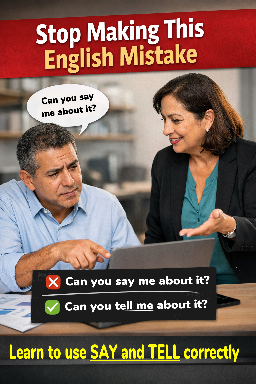
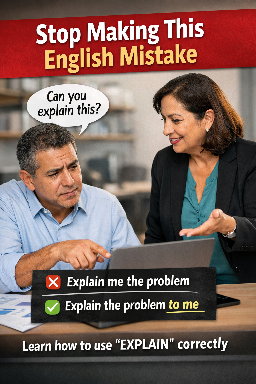
Some verbs need a preposition and some don’t
❌ What’s the problem?
In English, some verbs need a preposition. Others never do.